
Smart Website Hosting & Migration in 2026: Avoid These SEO-Damaging Mistakes
The process of hosting websites and migrating them has always been a delicate one, yet in 2026, there is a much greater amount at stake. By now that Google algorithm is powered by more serious AI systems, real-time models of user behavior, and harassing performance requirements, a technical hitch will drop you down the ranks faster than ever. Companies that upgrade their hosting, change their domain, or redesign their web page have to treat migration as a high-risk SEO procedure.
The current online world is predetermined by velocity, stability, sophisticated UX indicators, and watertight web security. This is how brands are becoming more and more dependent on an SEO company in Mumbai, a web development company in Mumbai, and a digital marketing company in Mumbai to save standings at transitions. One slip-up, a failed redirect, or even a performance failure can undo years of SEO work.
This blog describes how it is possible to save your place in the search results by being a smart host and making the right migration in 2026 and what it is that businesses should not do.
Why Hosting & Migration Are More Critical in 2026
Search engines do not solely rely on the content or the backlinks. Google is using performance in the real world, stability in the user experience, predictability in loading, and architecture of error-free websites as the criteria to assess websites. All these signals may be broken during a change of host or migration.
Migration does not only happen when you are relocating on a technical plane, but it also changes the way search engines perceive your website. When done properly, it will enhance speed, security, and search visibility. When mismanaged, it causes ranking falls, indexation issues, and traffic loss, which can only be regained after months.
This is the reason why companies intending to undergo redesign or upgrade their servers would usually engage a website development company in Mumbai at the initial stages. A disaster will normally succeed a hasty migration, and good planning will create awareness of these disasters.
The New Standards of Smart Hosting in 2026
Contemporary hosting will not require just choosing a server and throwing up. In 2026, AI-powered load distribution, global edge networks, predictive resource scaling, and enhanced security protocols are all included in the process of hosting websites. These inventions keep the websites fast, stable, and secure—three of the most significant indicators that Google monitors nowadays.
A smart hosting setup comprises smart caching layers, bot-protection systems, and security frameworks that avoid downtime. It additionally favors modern technologies such as headless CMS structures, serverless functions, and progressive web applications.
Choosing not to evaluate these new standards but to go with hosting may even damage rankings prior to migration. Even a server with poor optimization will be able to slow loading, decrease the efficiency of crawls, and aggravate users, causing direct penalties to SEO.
Most business owners approach an expert web design company in Mumbai to make sure that their site is as compatible with the power of its hosting platform as it can be. Good design and good hosting should not be separated.
How Migration Works Today—And Why It Can Break SEO
Migration of websites has become a multi-layered process. It is not merely a matter of replicating files from one server to another. It involves maintenance of URL structures, metadata, content hierarchy, link equity, and user experience at the same time.
And when it is done wrong, Google will see the migrated site as an entirely different site. This often leads to:
- Ranking drops
- Loss of indexed pages
- Decreased organic impressions.
- Broken backlinks
- Crawl errors
- Reduced page authority
The fact that Google AI is able to spot issues so fast only makes 2026 migrations even more difficult. Redirection chain broken, slow server reply, or absent metadata can affect rankings in hours.
Brands that keep a skilled SEO company in Mumbai tend to stay out of such traps since the migration process is properly undertaken through an accurate SEO-first approach.
The Most Common SEO-Damaging Mistakes During Migration
1. Losing URL Structure Consistency
Your content is identified by your URLs. When such changes are not well mapped, Google is unable to match the existing pages with new ones. This immediately dispels ranking continuity.
- Enhance your organic positioning.
- Reduce CPC in Google Ads
- Enhance trust and power.
- Enhance brand recognition on a long-term basis.
This remains the leading cause of post-migration ranking depletion even in modern times.
2. Incorrect or Missing 301 Redirects
Redirects have to pass the authority of old URLs to new ones.
One wrong redirect will result in:
- 404 pages
- Dissolved link equity
- Drop in keyword visibility
Google strategizes redirect chains more harshly in 2026, and accuracy becomes an even greater priority.
3. Metadata Not Transferred
Migration usually loses titles, meta descriptions, schema markup, and alt text. These are the factors that assist search engines in the area of content relevancy. In case they get lost, rankings deteriorate fast.
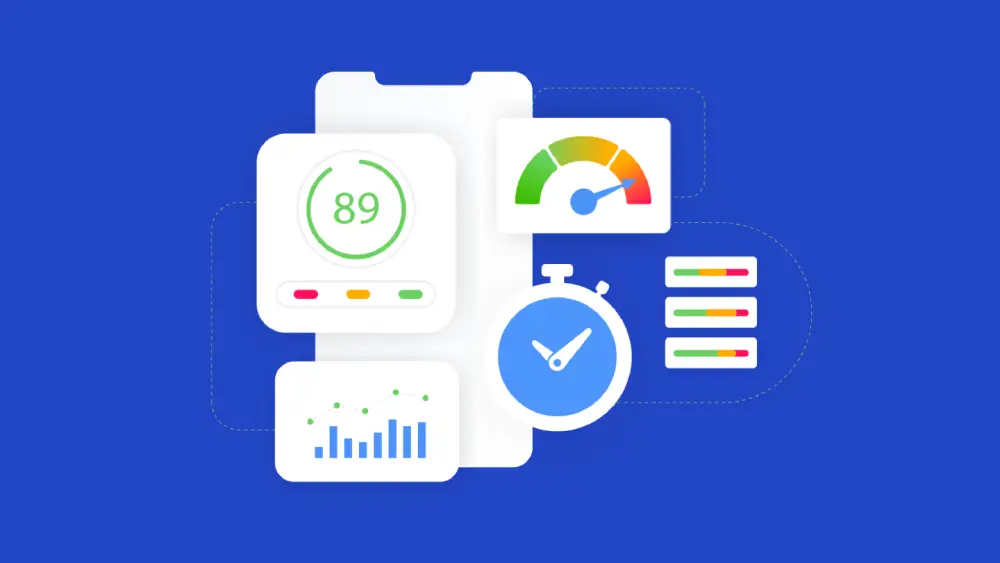
4. Slow Loading After Migration
Hosting modifications tend to influence caching, CDN integration, or the load of resources.
A newly migrated site can all of a sudden become slow, and it will impact:
- User experience
- Engagement metrics
- Mobile performance
Slow site post-migration is catastrophic because Google makes real-time speed indicators a priority.
5. Forgetting to Block Staging Sites
In case Google is indexed on your staging site, you find yourself with doubled content.
This confounds the indexation system of Google and negatively affects the rankings of the two versions.
6. DNS Misconfiguration
The error in DNS may result in offline or sporadic access to the sites.
Even momentary outages have an effect on your SEO trust rating.
7. Poor Mobile Optimization
Even minor changes in layout, broken buttons, or misaligned areas result in ranking loss with the mobile-first update happening in 2026.
A majority of these problems happen following redesigns or host redesigns.
That is why it is safe to work together with a reliable web design company in Mumbai so that your design does not malfunction at the time of migration.
Post-Migration: The Most Important Phase
Things do not stop when the migration has been done. The initial 30 days post migration are the sensitive ones. Frequent checkups aid in the detection of:
- Crawling errors
- Redirect mismatches
- Missing pages
- Speed fluctuations
- Indexation gaps
- Mobile layout issues
An effective digital marketing company in Mumbai will be able to get search engines adjusted to the new site easily, traffic will not drop significantly, and ranking will be restored in the shortest time possible in case of fluctuations.
This step usually defines how successful your migration will be in the long run.
Why Professional Help Matters More in 2026
Hosting and migration are not so easy. The sophistication of the processes of SEO signals, performance measures, and security standards requires expertise of a technical nature. That’s why businesses trust:
1. A Mumbai-based SEO company to secure rankings.
2. Flawless execution by a web development company in Mumbai.
3. UX consistency at a website design company in Mumbai.
4. A traffic stability digital marketing company in Mumbai.
Combined, these teams will make sure that the migration does not harm but empowers your website.
Final Thoughts
Careful planning, technical precision, and an SEO-first approach are needed to perform smart website hosting and migration in 2026. Performance instability, URL manipulation, and content mismatches are extremely sensitive to search engines nowadays. It takes just one missed detail to cause significant loss in ranking, be it because of a redirect error or a slow server.
However, under the appropriate hosting conditions, with a careful migration plan and professional skills, it is possible to make your webpage faster, safer, and more searchable than it was previously to the migration.
Disclaimer
The information presented in this blog is derived from publicly available sources for general use, including any cited references. While we strive to mention credible sources whenever possible, Website Development Company in Mumbai does not guarantee the accuracy of the information provided in any way. This article is intended solely for general informational purposes. It should be understood that it does not constitute legal advice and does not aim to serve as such. If any individual(s) make decisions based on the information in this article without verifying the facts, we explicitly reject any liability that may arise as a result. We recommend that readers seek separate guidance regarding any specific information provided here.